Electronic Device Packing Suggestions
Posted on 02/09/2025
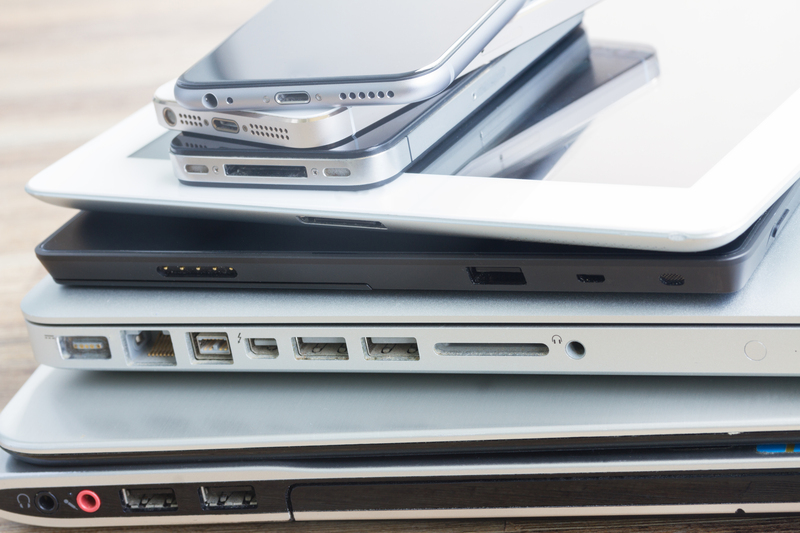
Electronic Device Packing Suggestions
Packing electronic devices securely is of utmost importance, especially when traveling or shipping. These devices are often expensive and sensitive to damage from impacts, moisture, and other environmental factors. Proper packing not only ensures safe transit but also enhances the longevity of your gadgets. Below are some suggestions and tips for packing electronic devices effectively.
Choose the Right Packing Material
Using the right packing materials is the first step in ensuring your electronic devices are well-protected.
1. **Bubble Wrap and Foam**: These materials offer cushioning and protect against shocks and vibrations.
2. **Anti-Static Bags**: For sensitive electronics like computer components, anti-static bags prevent static discharge that can damage circuits.
3. **Corrugated Boxes**: Choose boxes that are sturdy and slightly larger than the device, allowing room for padding.
Preparation Before Packing
Before packing your electronic devices, take some preparatory steps to minimize the risk of damage.
1. **Backup Data**: Ensure all important data is backed up on a different device or cloud service.
2. **Detach Accessories**: Remove peripherals, cables, and batteries to prevent them from causing scratches or other damages.
3. **Clean Devices**: Dust off and clean your devices to prevent particles from causing scratches during transit.
How to Pack Different Types of Electronic Devices
Laptops and Tablets
1. **Screen Protection**: Place a microfiber cloth between the keyboard and screen to protect the screen from scratches.
2. **Wrap Device**: Use bubble wrap or foam to wrap the device, ensuring all corners and edges are well protected.
3. **Secure in Box**: Place the wrapped device in a snug-fitting box, filling any empty spaces with packing peanuts or foam inserts to prevent movement.
Smartphones
1. **Use Original Packaging**: If possible, use the phone's original packaging, as it is designed to fit perfectly and provide maximum protection.
2. **Alternative Wrapping**: If the original packaging is unavailable, wrap the phone in bubble wrap and place it in a sturdy box.
3. **Seal and Label**: Seal the box with packing tape and label it as fragile for extra care during transit.
Cameras and Accessories
1. **Lens Protection**: Remove the lens and place lens caps on both ends to prevent scratches.
2. **Individual Wrapping**: Wrap each component separately using bubble wrap or foam.
3. **Organize in Box**: Place each wrapped component in a divided box or add dividers to a larger box to keep everything organized and secure.
Packing Tips and Best Practices
1. **Label Cables and Accessories**: Use labels or cable ties to organize and identify cables and accessories, making it easier to set up your device later.
2. **Weather Considerations**: Avoid packing electronics in extreme weather conditions. If unavoidable, consider using desiccants to absorb moisture.
3. **Avoid Overpacking**: Don't overstuff the box as it can apply undue pressure to the device, leading to damage.
Pros and Cons of Proper Packing
Pros
1. **Prevents Damage**: Significantly reduces the risk of physical damage during transport.
2. **Peace of Mind**: Knowing your devices are well-protected gives you peace of mind.
3. **Increases Longevity**: Reduces wear and tear, thereby increasing the lifespan of your devices.
Cons
1. **Time-Consuming**: Proper packing can be time-intensive.
2. **Additional Costs**: Quality packing materials can add to your overall expense.
3. **Bulky**: Properly packed devices can be more bulky and cumbersome to transport.
Key Takeaways
1. **Invest in Quality Packing Materials**: Quality materials provide the best protection.
2. **Organize and Label**: Always organize and label accessories to simplify setup later.
3. **Backup Data**: Ensure crucial data is backed up before packing.
Conclusion
Packing electronic devices properly is essential to avoid damage and ensure they work correctly upon reaching their destination. Using the right materials and methods, along with thoughtful preparation and organization, will go a long way in keeping your devices safe and functional. Always weigh the pros and cons of the effort involved to ensure it aligns with your goals and resources.
By following these suggestions and tips, you can rest assured that your electronics are well-protected during transit or storage. Happy packing!
Latest Posts
Estimating the Duration to Relocate


 020 8746 4366
